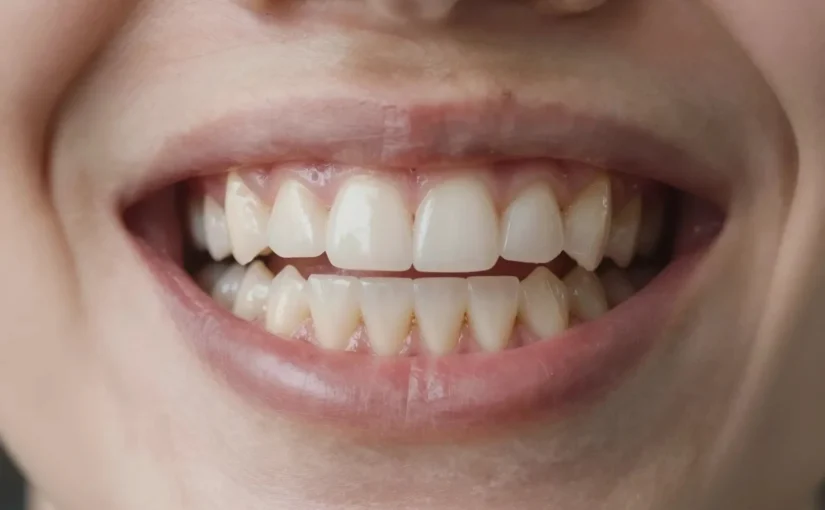
Many people experience the unsettling sensation that their teeth are shifting or feel loose. This feeling can stem from various causes, ranging from temporary conditions to more serious dental health issues. Understanding the underlying reasons for teeth mobility can help address the root cause and alleviate any associated discomfort or dental concerns.
Understanding Teeth Mobility
Teeth mobility refers to the noticeable movement of a tooth or teeth within the mouth. While some degree of tooth movement is natural and necessary for chewing and adapting to normal oral pressures, excessive mobility can indicate underlying issues. Several factors can contribute to teeth mobility, and addressing these can help maintain optimal dental health.
Common Causes of Teeth Mobility
- Gum Disease: One of the leading causes of loose teeth is gum disease, also known as periodontal disease. This condition involves the inflammation and infection of the gums and supporting bone structure, leading to bone loss and, eventually, tooth movement.
- Orthodontic Treatment: During orthodontic treatment, such as braces, teeth are intentionally moved to achieve tooth alignment. This process can temporarily increase the feeling of mobility as teeth shift into their new positions.
- Bruxism: Grinding or clenching teeth, known as bruxism, can exert excessive force on teeth, leading to mobility and sometimes jaw pain.
- Inadequate Oral Hygiene: Poor oral hygiene can lead to plaque buildup and increase the risk of gum disease, which contributes to tooth mobility.
Effects of Periodontal Disease
Periodontal disease is a significant concern when it comes to teeth mobility. As the disease progresses, the supporting bone and tissues around the teeth deteriorate, causing loose teeth. Regular dental checkups are crucial for early detection and management of gum disease to prevent severe bone loss and tooth mobility.
Preventive Measures and Treatment Options
Addressing the causes of teeth mobility is essential for restoring and maintaining dental health. Here are some preventive measures and treatment options:
- Maintain Good Oral Hygiene: Regular brushing and flossing can prevent plaque buildup, reducing the risk of gum disease and tooth movement.
- Regular Dental Checkups: Routine dental checkups allow for early detection of issues like periodontal disease and timely intervention.
- Orthodontic Evaluation: If you’re undergoing or considering orthodontic treatment, consulting with an orthodontist can help manage the expected movement of teeth safely.
- Address Bruxism: If bruxism is causing teeth mobility, using a night guard can protect teeth from excessive force.
- Treatment for Gum Disease: Professional cleaning, scaling, and root planing can manage and treat gum disease, reducing its impact on teeth mobility.
When to Seek Professional Help
If you notice persistent teeth mobility or jaw pain, it is important to seek professional dental advice. Early intervention can prevent further damage and help maintain healthy teeth and gums. Dental professionals can assess the situation, identify any underlying causes, and recommend appropriate treatments.
Feeling like your teeth are moving can be alarming, but understanding the potential causes and seeking timely dental care can help manage and resolve the issue. Whether it’s due to gum disease, orthodontic treatment, or bruxism, addressing these factors with the help of a dental professional is key to maintaining strong and healthy teeth. Regular oral hygiene practices and dental checkups play a critical role in preventing teeth mobility and ensuring overall dental health.