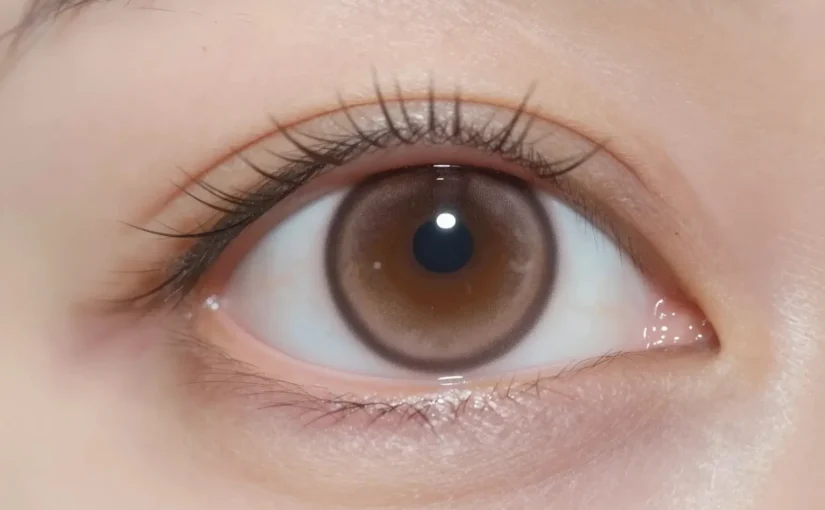
Wearing contact lenses can be a convenient alternative to glasses, offering a wider field of vision and a more natural appearance․ However, many contact lens wearers experience issues with lens movement, particularly when blinking․ This article explores the reasons behind this common problem and provides insights into how to address it․ We will discuss the role of contact lens fit, eye irritation, and the importance of proper eye care and contact lens fitting․
The Role of Contact Lens Fit
The most common reason for contact lenses moving when you blink is an improper fit․ A lens that doesn’t fit well can shift its position on the cornea, leading to discomfort and blurry vision․ The optical center of the lens should align with the center of your pupil for optimal vision correction․ If the lens is too loose, it will move excessively with each blink․ Conversely, if it’s too tight, it might restrict the necessary lens movement needed for comfort and proper eye health․
To ensure a proper fit, it’s crucial to have a professional contact lens fitting conducted by an eye care specialist․ They will measure the curvature of your cornea and recommend the appropriate contact lens material and size․
Signs of an Improper Fit
- Excessive movement of the lens with each blink
- Frequent eye irritation or discomfort
- Blurry vision due to misalignment of the optical center
- Redness or feeling of dryness, indicative of dry eyes
Understanding the Blinking Reflex
Blinking is a natural reflex that serves to protect and lubricate the eye․ Each blink spreads a fresh layer of the tear film across the cornea, which is essential for eye hydration and comfort․ However, blinking can also cause a poorly fitting contact lens to move․ The friction between the lens and the eyelid during a blink can dislocate the lens if it doesn’t adhere properly to the cornea․
The Importance of Tear Film and Lubrication
An adequate tear film is crucial for reducing lens movement and maintaining eye health․ If you have dry eyes, the lack of lubrication can exacerbate the movement of the lens․ Using artificial tears or a contact lens solution designed for hydration can help maintain comfort and lens stability․
Regular blinking should stabilize the lens by redistributing the tear film, but if the lens moves excessively, it may lead to eye irritation and compromise vision․
Contact Lens Material and Hydration
The contact lens material plays a significant role in how the lens behaves on the eye․ Soft lenses are generally more comfortable and less likely to move compared to rigid lenses․ However, they require adequate hydration to maintain their shape and function․
Hydrophilic, or water-attracting, materials are commonly used in soft lenses to maximize hydration․ If the lenses dry out, they can shrink and move more easily with each blink․ Ensuring that the lenses remain moist is vital for minimizing movement and preventing discomfort․
Strategies to Minimize Lens Movement
Addressing the issue of contact lens movement involves several strategies:
- Ensure a proper contact lens fitting by consulting with an eye care professional to determine the best fit and material for your eyes․
- Use a high-quality contact lens solution to keep the lenses clean and hydrated․
- Consider artificial tears or rewetting drops to enhance lubrication and stability․
- Follow proper eye care practices, including regular check-ups and adhering to recommended wear and replacement schedules․
Contact lens movement during blinking is a common issue that can cause discomfort and affect vision․ Understanding the factors that contribute to this problem, such as lens fit, blinking reflex, and tear film quality, can help mitigate these issues․ By following proper eye care practices and consulting with an eye care professional for a personalized contact lens fitting, you can achieve optimal comfort and vision with your contact lenses․
Remember, maintaining the health of your cornea and the overall condition of your eyes is paramount․ Proper lens position, adequate hydration, and periodic consultation with a specialist can significantly enhance your contact lens-wearing experience․