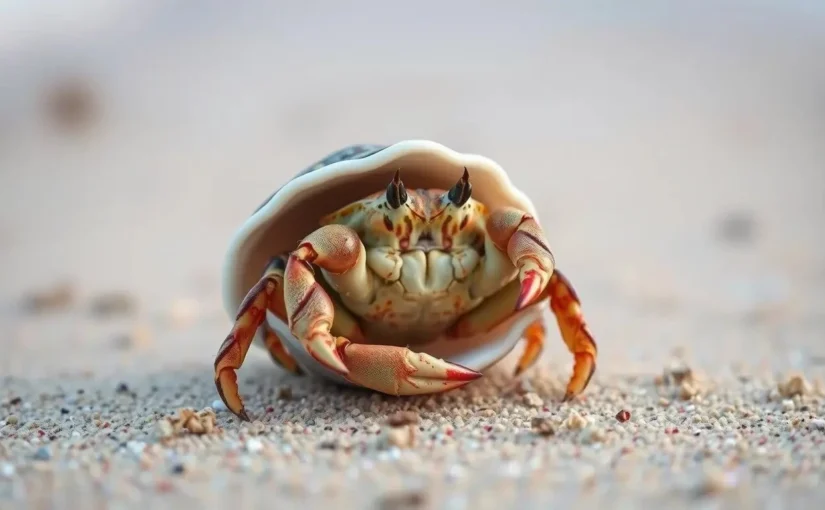
Hermit crabs are fascinating creatures that often captivate their owners with their unique behaviors and vibrant personalities. However, there are times when they may appear inactive or lethargic, leading owners to wonder about their well-being. In this article, we will explore the possible reasons why your hermit crab might not be moving, touching on factors such as molting, stress, temperature, and more.
Understanding Hermit Crab Behavior
Hermit crabs are naturally nocturnal, which means they are most active during the night. If you notice your crab is less active during the day, this could simply be a result of their natural behavior. However, if inactivity persists, it may be indicative of other issues.
Molting
Molting is a natural process where hermit crabs shed their exoskeleton to allow for growth. During this time, they may become very lethargic and even bury themselves in the substrate to protect themselves from predators. This process can take several weeks. Signs of molting include a chalky appearance of the exoskeleton and cloudy eyes.
Stress
Stress is another common cause of inactivity in hermit crabs. Stress can be caused by a variety of factors including a change in habitat, poor diet, or improper tank conditions. Ensuring a stable environment is crucial for minimizing stress levels.
Environmental Factors
The environment plays a crucial role in the health and activity levels of hermit crabs. Factors such as temperature and humidity must be carefully regulated. The ideal temperature range is between 75-85°F (24-29°C), while humidity should be kept between 70-80% to prevent dehydration and ensure proper hydration.
Diet and Nutrition
A balanced diet rich in protein and calcium is essential for maintaining the health of hermit crabs. Insufficient nutrition can lead to lethargy and other health issues. Providing a variety of foods, including fruits, vegetables, and specialized hermit crab food, is recommended.
Illness
If your hermit crab is not moving and displays other symptoms such as discoloration or a foul odor, it may be ill. Common illnesses include shell rot and parasitic infections. Consulting with a veterinarian who specializes in exotic pets can provide guidance on treating these conditions.
Behavioral Changes
Hermit crabs may also become inactive due to behavioral changes triggered by changes in their environment. This includes the introduction of new crabs into the tank or alterations to their living space. Providing adequate hiding places and ensuring that the tank is not overcrowded can help alleviate these issues.
Ensuring a Healthy Habitat
Tank Conditions
The tank should be spacious enough to accommodate all its inhabitants comfortably. A minimum of 10 gallons is recommended for two to three crabs. The substrate should be deep enough (at least 3-4 inches) to allow for burrowing, which is a natural behavior.
Isolation
During molting or if a hermit crab is stressed, it may be beneficial to place it in an isolation tank to reduce stress and prevent disturbances from other crabs. This isolation tank should mimic the conditions of the main habitat to minimize further stress.
Adaptation
Hermit crabs require time to adapt to new environments. When first introduced to a new habitat, they may exhibit stress symptoms such as lethargy. Allow them time to acclimate, ensuring their environment is optimal.
Understanding the reasons behind your hermit crab’s inactivity is crucial in ensuring their health and well-being. By paying attention to factors such as molting, stress, environmental conditions, and diet, you can create a nurturing habitat that supports their natural behaviors. Regular observation and proper care will help you detect any potential issues early and take appropriate action to maintain the vitality of your hermit crab.