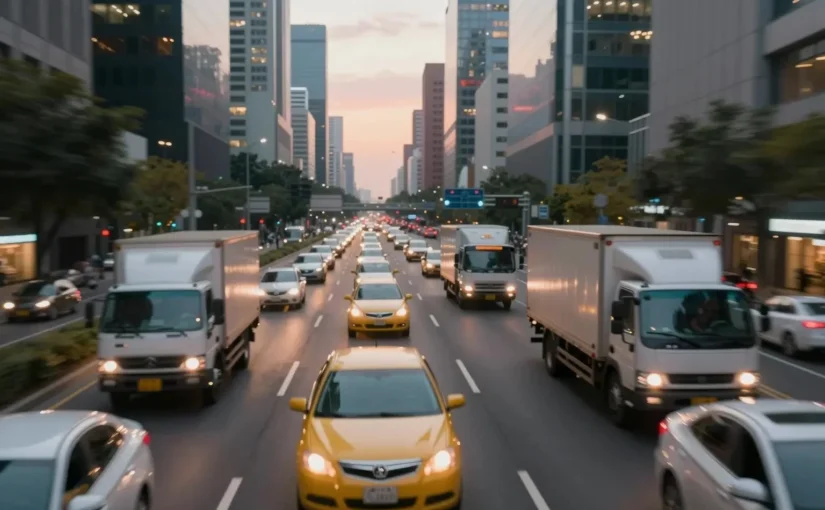
The modern world is intricately connected through a vast network of roads, highways, and bridges, each playing a crucial role in the movement of traffic and ensuring efficient transportation. The dynamics of roadway movement are influenced by multiple factors, including infrastructure development, vehicle technology, and urban planning. In this article, we delve into the multifaceted aspects of roadway mobility and the continuous efforts to enhance it.
Understanding Traffic Dynamics
Traffic dynamics are at the core of understanding how roadways move. The volume of vehicles, the speed at which they travel, and the patterns they form all contribute to the overall flow of traffic. Congestion remains a significant challenge in urban areas, where the density of vehicles often exceeds the capacity of the roads. Effective traffic management and smart engineering solutions are essential to alleviate these issues and ensure smooth mobility.
Infrastructure and Its Role
The infrastructure supporting our roads and highways is a fundamental element of transportation systems. Pavement quality, bridge stability, and road design all influence the efficiency and safety of vehicular movement. Regular maintenance and timely upgrades are necessary to prevent deterioration and extend the lifespan of these structures. Engineering innovations continue to play a pivotal role in enhancing the durability and performance of infrastructure.
Pavement and Road Quality
Pavement quality directly impacts the ease of travel and safety on roads. Poor pavement conditions can lead to accidents, vehicle damage, and increased congestion. Implementing advanced materials and construction techniques can improve pavement longevity and reduce maintenance costs. Furthermore, sustainable practices in pavement construction contribute to environmental conservation while enhancing road quality.
Bridges and Their Importance
Bridges are critical components of transportation networks, enabling connectivity over geographical barriers. The engineering of bridges requires meticulous planning and construction to ensure they can withstand heavy loads and environmental stresses. Regular inspections and maintenance are crucial to prevent structural failures that could disrupt roadway movement and endanger safety.
Urban Planning and Transportation
Urban areas are hotspots for traffic congestion due to high population densities and limited space. Effective urban planning is essential to optimize transportation infrastructure and improve mobility. Strategies such as expanding public transit options, developing pedestrian-friendly zones, and implementing smart traffic systems can significantly alleviate congestion and enhance the quality of urban life.
Commuting and Mobility
Commuting patterns are evolving with advancements in transportation technology and changing societal trends. The rise of remote work and flexible schedules has shifted traditional commuting habits, influencing traffic patterns. To accommodate these changes, cities need to adapt their transportation strategies, focusing on improving mobility and accessibility for all users.
Transportation Safety and Development
Safety is paramount in the development of transportation systems. Ensuring the safety of all road users, including pedestrians, cyclists, and motorists, requires comprehensive planning and implementation of safety measures. Innovations such as smart traffic signals, vehicle-to-infrastructure communication, and advanced driver-assistance systems contribute to reducing accidents and enhancing overall safety.
Development and Expansion
As cities expand and populations grow, there is a continuous need for the development and expansion of transportation infrastructure. This includes constructing new roads, expanding existing highways, and integrating new technologies into transportation systems. Strategic planning and investment are crucial to accommodating future demand and ensuring sustainable urban growth.
The Future of Roadway Movement
The future of roadway movement is intertwined with technological advancements and innovative transportation solutions. Autonomous vehicles, smart infrastructure, and integrated transportation systems are set to revolutionize how we perceive and use roadways. These developments promise to enhance efficiency, reduce congestion, and improve the overall travel experience.
Planning for the Future
Effective planning for the future of roadway movement involves holistic approaches that consider environmental, social, and economic factors. This includes prioritizing sustainable practices, fostering collaboration between public and private sectors, and leveraging data and technology for informed decision-making. As we move forward, a focus on resilience and adaptability will be key to maintaining dynamic and efficient transportation networks.